

Advancing the visions of communities working to address corporate activity that threatens or violates their human rights.
Just Ground works for civil society organizations, grassroots groups and movements that recognize and support the expertise of directly impacted people in the design and implementation of systems intended to protect their rights.
Transformative change comes about when directly impacted people lead the struggle to dismantle unjust systems and recapture power over their own futures. Through participatory research, legal and technical support, and advocacy, Just Ground supports communities gaining control over the forces that affect their lives.
News and Ideas
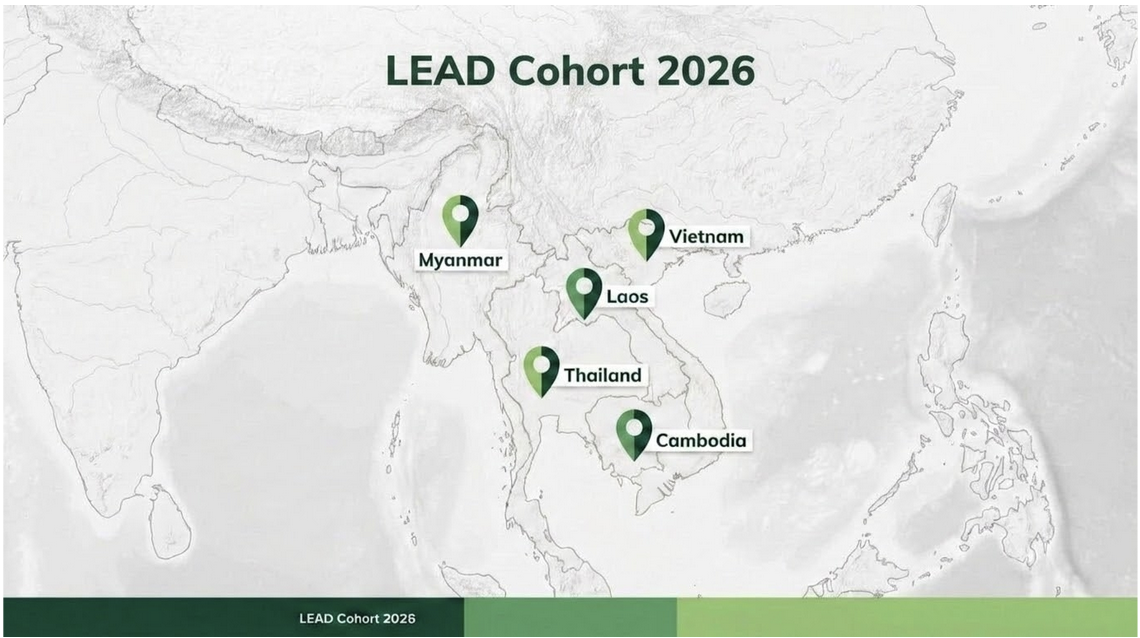
The LEAD Cohort is a collaboration between Just Ground and EarthRights and brings together participants from across the Mekong region.
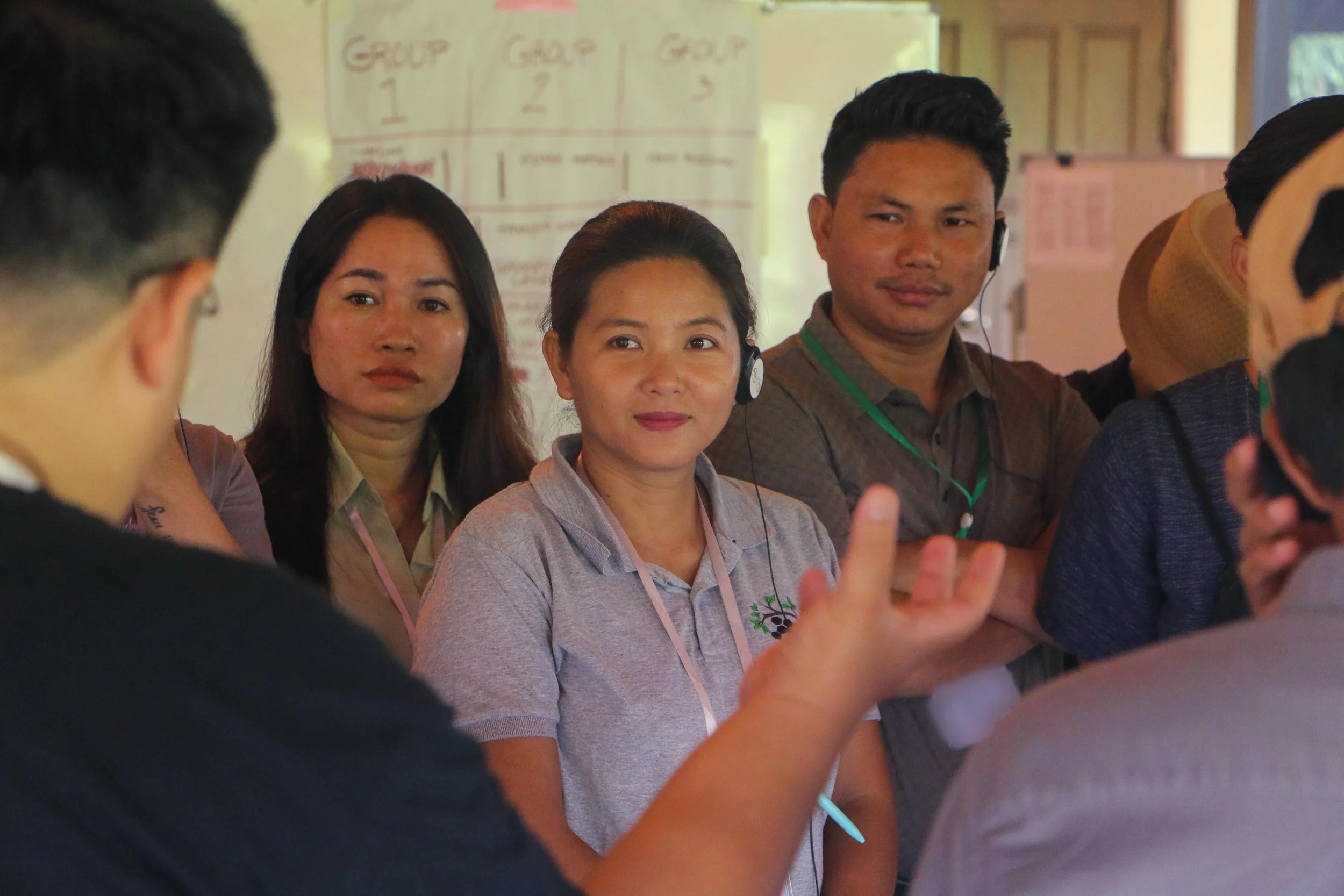
Just Ground and EarthRights International recently concluded two workshops on participatory research tools to support communities in gathering information, forming a position, and advocating for their environmental and human rights. We have co-published a brief capturing the key learnings, challenges, and strategies that emerged from discussions.

At the Access to Remedy workshop, over thirty human rights defenders, community activists, and lawyers came together to discuss the challenges, share strategies, and make recommendations for improving access to remedy for human rights abuses linked to corporate activity in the Mekong Region.

As the 13th UN Forum Business and Human Rights comes to a close, once again the data shows that rights holder voices are not centered in that space.

The UN Responsible Business and Human Rights Forum for the Asia-Pacific region took place last week in Bangkok and what struck me most was rights holder frustration and a desire for less talk and more action.

Rights holders make up just 8% of the total number of speakers at the UN Forum on Business and Human Rights over the past 6 years. This post, coming after the conclusion of the 12th UN Forum, updates previous data on rights holder speakers and calls for more efforts to include rights holder perspectives.

In an earlier blog post, I introduced the argument that the conceptual language of epistemic injustice would be a useful tool for helping address harmful practices of corporate power. My recent paper takes that idea and runs with it a bit further, and using access to remedy through non-judicial grievance mechanisms (NJGMs) as an example, it argues not only that the conceptual language of epistemic injustice is useful for BHR, but also that it is an ethical obligation to “interrogate and address” epistemic injustice if BHR sees itself as a field that contributes to justice and if it truly aims to centre rights holders.

This post, coming after the conclusion of the 11th UN Forum, updates previous data on rights holder speakers to include the information from this year and reflects on what the rights holders spoke about at the Forum and what that suggests about the way forward to advance business respect for human rights.

Over the past four years, rights holders have comprised only 6% of the speakers at the UN Forum on Business and Human Rights. This post provides several rights holders’ perspectives on the Forum and concludes that the Forum is failing to be inclusive.
Rights holders want to shape the decisions that affect them, and the prevailing, top-down approach to stakeholder engagement falls far short of that. This is what resonated for me at the 8th UN Responsible Business and Human Rights Forum for Asia and the Pacific, which wrapped up last week in Bangkok.